The short version
- Preventative Botox refers to treating expressive muscles before lines have set into the skin at rest.
- The reasoning is that repeated folding is what turns a dynamic line into a static one.
- Evidence is limited but suggestive, and long term controlled trials are not something the literature offers in quantity.
- Candidacy depends on how your face moves, not on reaching a particular age.
Whether that is worth doing depends on how your face actually moves, which is not the same question as how old you are. This guide covers what the term means, the mechanism behind the reasoning, what the evidence does and does not support, who tends to be a reasonable candidate, and what belongs in the conversation before anyone injects anything.
What Preventative Botox Actually Means
Expression lines come in two states. A dynamic line appears when you make an expression and disappears when your face relaxes. A static line stays visible at rest, because the skin has been folded in the same place often enough that the crease persists on its own. The transition from the first state to the second is gradual and happens over years.
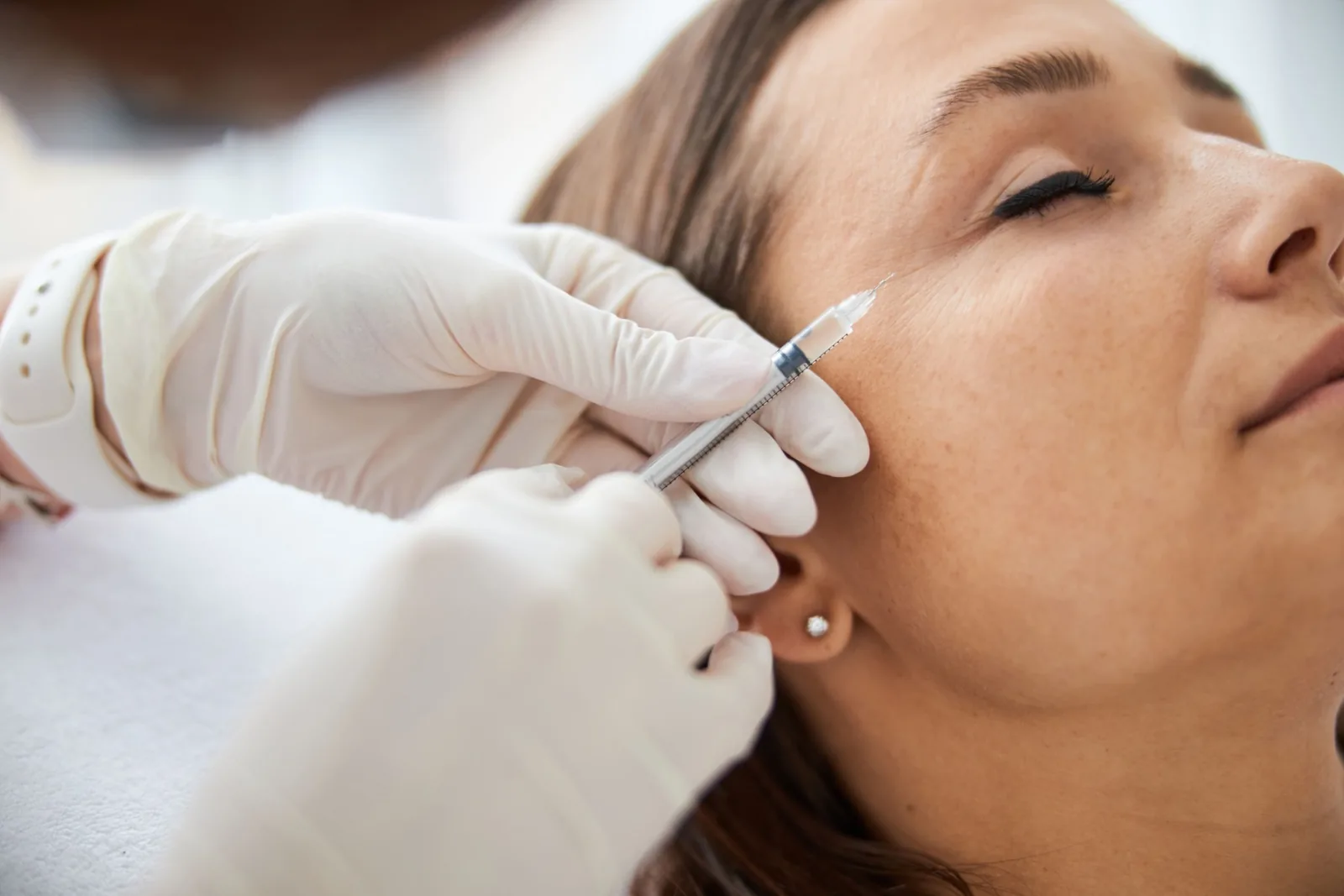
Preventative treatment means intervening while the lines are still dynamic, softening the muscle activity that creates the fold rather than addressing a crease that has already set. This is a different goal from treating established lines, and it belongs to a broader planning conversation about which of the treatments available address which problem, since not every concern is a muscle problem in the first place.
It is worth being precise about regulatory status here. Botox Cosmetic carries FDA approval for the temporary improvement in the appearance of moderate to severe frown lines, crow's feet and forehead lines in adults. Treating lines that are not yet moderate to severe falls outside that approved indication, which makes preventative use an off-label application. Off-label does not mean improper or unusual, and physicians exercise clinical judgment in these situations routinely, but you are entitled to know that is the category you are in.
The Reasoning Behind Treating Earlier
The mechanism is mechanical rather than mysterious. Each time you frown, squint or raise your brows, the skin over those muscles folds along the same axis. Young skin has the elasticity to spring back completely. As collagen and elastin decline with age and cumulative sun exposure, the recovery becomes less complete, and the fold begins to leave a trace that outlasts the expression.
The argument for early treatment is that reducing the frequency and force of the fold reduces the cumulative input driving that transition. It is the same logic as creasing a sheet of paper: the first fold recovers, the hundredth does not.
Two caveats keep this honest. The first is that muscle activity is only one of several inputs into how a face ages, alongside sun exposure, volume loss, skin quality and genetics, and softening one input does not address the others. The second is that muscle relaxation and muscle strengthening are different tools with different targets, which is the distinction covered in our comparison of Emface and Botox.
What the Evidence Supports
The honest summary is that the reasoning is plausible, the observational evidence is suggestive, and the controlled evidence is thin. Long term randomized trials on preventative use in younger patients are not something the literature offers in quantity, partly because they would need to run for a decade or more.
The most frequently cited piece of evidence is a case study of identical twins published in Archives of Facial Plastic Surgery in 2006, following one twin who received regular treatment over many years and one who did not. The twin treated consistently showed fewer visible lines at rest by the end of the follow up. It is a compelling observation and it controls for genetics in a way almost nothing else does, but a study of two people is a starting point rather than a conclusion.
What can reasonably be said: treating dynamic lines produces a temporary reduction in the muscle activity that creates them, and there is observational support for the idea that sustained reduction is associated with fewer static lines over time. What cannot be said: that any particular schedule produces a specific outcome, or that starting at a given age changes how your face will look in twenty years. Individual results vary, and anyone promising otherwise is describing marketing rather than evidence.
Who It Suits and Who It Does Not
Candidacy is about how your face behaves, not about a birthday. Botox Cosmetic is indicated for adults, and the useful screening question is what happens to your skin between expressions.
The pattern that tends to suit early treatment is a strongly expressive face where lines are becoming faintly visible at rest, or where a line takes noticeably longer to smooth out than it used to. People who frown or squint heavily, often those who spend long stretches concentrating on screens or outdoors without eye protection, sit in this group. So do people with a family pattern of early, deep glabellar lines.
The pattern that does not suit it: no visible lines at rest and none developing, a concern that turns out to be volume loss or skin texture and density rather than muscle activity, or an expectation that treatment will change something it does not act on. Anyone who is pregnant or breastfeeding, who has a neuromuscular condition, or who has had a reaction to botulinum toxin previously should raise that before anything else. Those conversations happen with the clinical team and they are the part of the visit that matters most.
What to Discuss at a Consultation
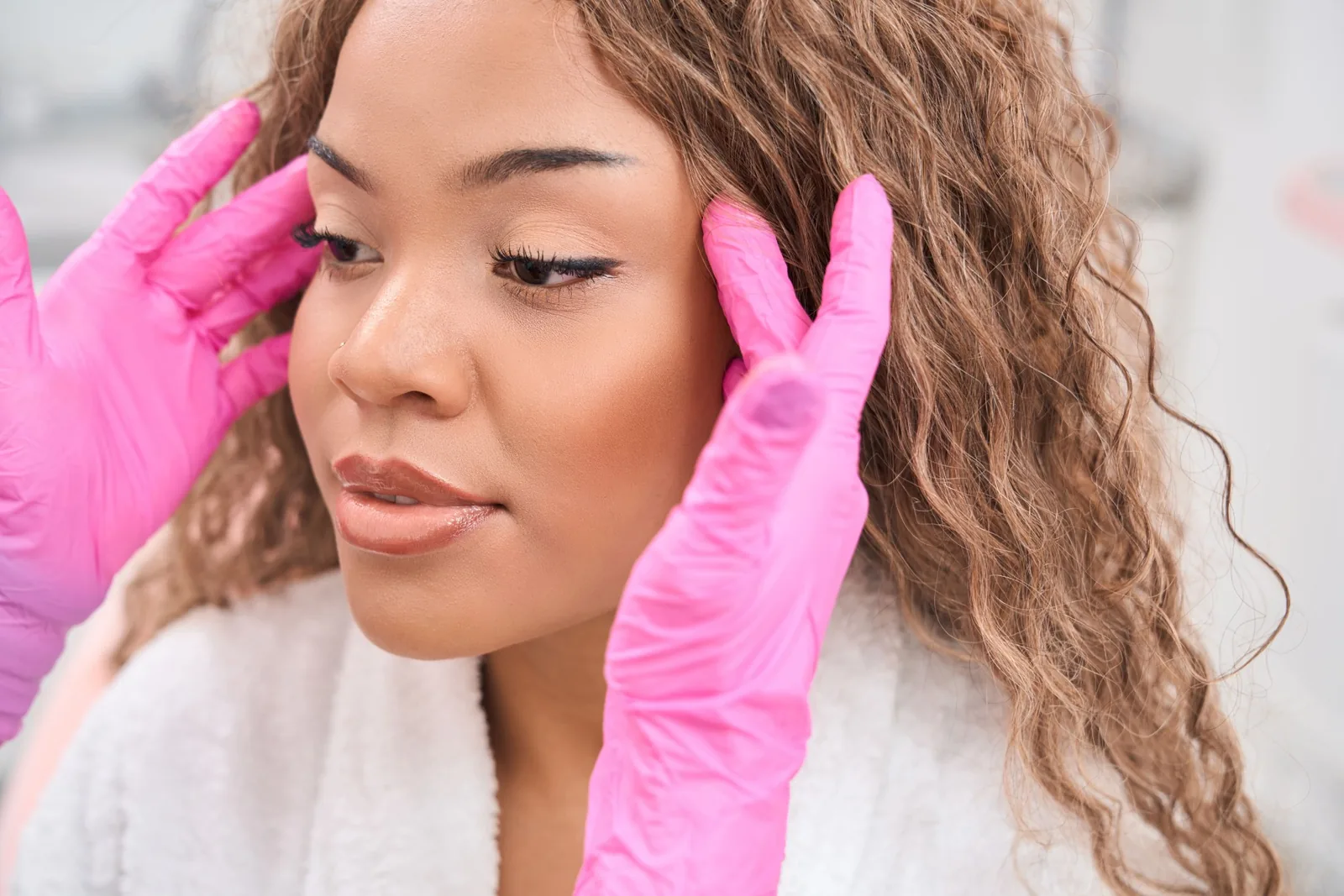
A good consultation starts with your face at rest and in motion rather than with a treatment plan. Ask what is actually driving the concern you came in with, because the answer is not always muscle activity, and treating the wrong mechanism produces disappointment regardless of technique.
Ask about the specific muscles being considered and what each one does, since overtreating a muscle that participates in brow position can change your expression in ways you did not intend. Ask what happens if you stop, and the honest answer is that muscle activity returns and lines resume their previous course, meaning this is an ongoing choice rather than a one time correction. Ask how the effect is assessed between visits and what would make the provider recommend adjusting or pausing.
Cost belongs in the conversation too, and the factors that determine it are the areas treated, how your muscles respond, and how often treatment is repeated. Those are clinical variables, which is why a number quoted before an assessment is not meaningful.
Wondering whether your lines are still dynamic or already setting? Call (689) 282-5599 or schedule a consultation and we will start by looking at how your face moves.
Frequently asked questions
What age should you start preventative Botox?
Does preventative Botox actually prevent wrinkles?
Is preventative use approved by the FDA?
What happens if I stop?
Will it make my face look frozen?
Can I do preventative Botox alongside other treatments?
Medical note. This article is educational and is not a substitute for professional medical advice, diagnosis or treatment. Emface, Exion and injectable treatments are not appropriate for everyone, and individual results vary. Suitability, session counts and expected outcomes can only be determined during an in-person evaluation of your health history and facial anatomy.